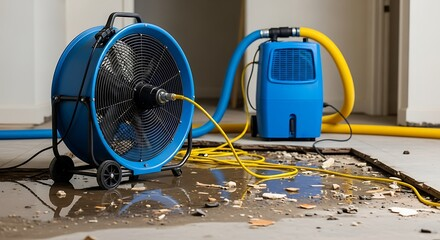
Water damage restoration is more than just mopping up puddles. It’s a comprehensive process designed to prevent lasting structural issues and stop mold growth.
Immediate actions include shutting off the water source, removing standing water, and drying affected areas. Depending on the severity of the situation, this can take hours to days. Visit https://www.allproutah.com/ for more information.
Inspection and Assessment
When a flood occurs, homeowners need to understand the restoration timeline to minimize long-term issues like mold growth and structural damage. This blog will explore factors that impact restoration timelines, break down the steps involved in the process, and give you a realistic understanding of how long it typically takes to restore a property in Dallas after water damage.
The first step in the restoration process is assessing the situation, including identifying and stopping the source of the water intrusion, removing standing water, and drying affected areas. Ideally, this should be done as quickly as possible to mitigate the severity of water damage and reduce the cost of repair. It’s also important to note that water damage can cause severe damage if it’s allowed to sit for even one week after the initial event, making prompt action critical.
Next, the professionals will thoroughly inspect and assess the damage to determine how extensive the repairs will be. In general, the more extensive the repair work required, the longer the restoration process will take. This will involve evaluating drywall, carpet, wood, and other porous materials for signs of damage like warping or buckling. It will also include assessing the structural integrity of the home to ensure it’s safe and sound.
Structural repairs can include replacing drywall, installing new flooring, and rebuilding sections of the house. Drying and dehumidification is an essential part of restoring a property after water damage, as it helps prevent mold and mildew growth that can lead to serious health problems for occupants. It will also help maintain the value of the property by minimizing long-term damage. This step can take up to a month, depending on the severity of the damage and how extensively the structures are impacted.
Water Extraction
Water damage is a real threat to your property and can be caused by any number of factors — from a burst pipe to severe flooding. In order to minimize damage and prevent long-term problems like mold and structural weakening, it’s critical that you act quickly. This means minimizing exposure, getting the affected materials dried and repaired as soon as possible, and calling professionals.
The first step in the water damage restoration process is inspection and assessment. Professionals use tools like moisture meters and infrared cameras to determine the scope of the water damage, categorize the type of water (clean, gray, or black), and assess any structural risks. This usually takes a few hours and will help inform the rest of the restoration plan.
Next, the team begins water extraction. Using industrial-grade pumps and vacuums, they remove standing water and dry out the affected areas. This can take a day or more, depending on the volume and complexity of the affected area.
Once the areas are pumped out and dehumidified, the restoration team will begin disinfecting and sanitizing the affected areas. They’ll use EPA-approved cleaning solutions and foggers to convert liquids into a vapor that kills germs and eliminates odors.
This step is crucial because it can stop microbial growth and other harmful bacteria from spreading. It can also save you money and time by preventing costly repairs later on down the line. This is especially important if the water comes from a category 3 flood, or “black water,” as it contains sewage and other contaminants that are dangerous to touch.
Structural Drying
The more time materials like carpet, furniture, and insulation spend absorbing water, the more damage they will sustain. Structural elements will weaken, and wood and metals will corrode. The appearance of the property will also suffer as porous materials absorb and stain. Mold growth begins within 24 hours of the initial water event and can quickly spread throughout the structure if not treated promptly.
Once the extent of the damage is determined, restoration professionals will develop a plan to minimize further loss. This will include determining the category of the water (clean, gray, or black) and assessing any potential structural risks. Moisture meters and thermal imaging cameras will help detect hidden moisture in walls, floors, and ceilings.
Structural drying is the most critical phase of water damage restoration. It involves removing standing water and ensuring all structural materials are completely dry to prevent additional damage, including warping, bowing, and mold growth. This process can take a few days to complete and requires specialized equipment.
During this stage, professionals use flood extractors to remove large volumes of water at once, dehumidifiers to pull moisture out of the air, and air scrubbers to filter contaminants. Air movers are strategically positioned to create airflow patterns that maximize evaporation rates, while moisture testing helps ensure wet areas are dry before proceeding to the next step.
The duration of this step will depend on the size of the affected area, the amount of water removed, and the severity of the damage. A reputable restoration company will have the necessary tools and expertise to speed up this process as much as possible. Humid weather can slow down the drying process, and insurance coordination can also add to project timelines.
Cleaning and Sanitization
When water damage takes hold, the restoration process becomes a matter of urgency. The sooner the affected materials can be stopped, dried, and sanitized, the less damage they will sustain over time. The timeline for the entire water damage restoration process is influenced by the extent of the damage, the type of materials involved, and environmental factors like humidity.
After the water has been extracted and the property is dry, a professional cleaning crew disinfects surfaces and applies antimicrobial treatments to inhibit mold growth and odors. This is a necessary step to ensure that mold and bacteria do not spread, which can lead to additional structural damage and health concerns. This phase typically takes one to two days, depending on contamination levels and odors.
Structural repairs are required to restore a property’s integrity after the effects of water damage. This can involve minor cosmetic fixes or extensive reconstruction work. The repair phase can take a few days for small projects, but major restorations can take weeks or even months. The length of time needed depends on the scope of the project, the extent of the damage, and the availability of appropriate contractors.
Understanding the timeline for water damage restoration helps homeowners set realistic expectations about when their homes will be restored. Effective mitigation will greatly reduce the overall cost of restoration, and a well-established communication channel between contractors will make the process as smooth as possible. Contacting a professional restoration company immediately after water damage can prevent delays and maximize the efficiency of repairs. This is particularly important when a disaster like a sewage backup, flood, or severe storm occurs, as these events require immediate response and expert help.
Repairs
After water damage, it’s important to perform repairs as soon as possible. This protects property values and prevents further issues like mold growth, deteriorating foundations, and compromised electrical systems. It also keeps occupants safe by preventing health hazards and protecting personal belongings and heirlooms.
Immediate actions include addressing safety concerns, shutting off the power, and removing standing water. This can significantly accelerate the restoration process. It’s also critical to inspect the affected area for structural instability and damage. This often requires a visual assessment and may require moisture testing or other professional tools. Effective drying and dehumidification are vital in minimizing long-term damage. This includes the use of dehumidifiers, air conditioning, and ventilation to manage moisture levels.
During the repair and restoration process, professionals disinfect surfaces, clean salvageable materials, and apply antimicrobial treatments to protect against future issues. This typically takes a few days and may be combined with drywall, wood, and insulation restoration. Porous materials like carpet and drywall are more difficult to dry, and may need to be replaced entirely.
Severe water damage can also impact interior structures and appliances, requiring repair or replacement. This can significantly increase the length of time it takes to restore a home, and is often dependent on whether black water (Category 3) was involved, as this requires additional sanitation and disinfection.
Water damage can cause serious long-term problems if not addressed quickly by experienced and qualified restoration experts. It can compromise the structure of buildings and their supports, weaken or warp flooring, saturate carpeting and other porous materials, destroy furniture and other possessions, and affect indoor air quality. The right water restoration team can help to protect property value, ensure a successful insurance claim, and provide the fastest path to a full recovery.