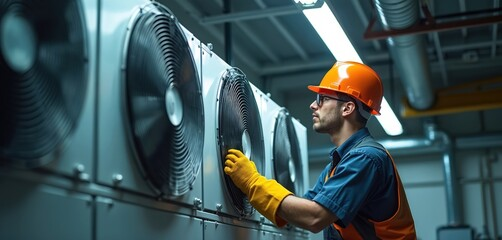
Many factors determine the best frequency for maintenance services. Location, equipment age and usage level all impact HVAC system care.
Maintenance addresses small problems before they become big ones. It prevents refrigerant leaks, dirty coils, and loose electrical connections. It also ensures airflow through ductwork, improves indoor comfort, lowers energy costs, and extends system life. Contact TAP Heating and Cooling to learn more.
Winter Maintenance
A well-maintained air conditioning system runs more efficiently, which translates to lower energy costs. In addition, it helps reduce the likelihood of costly repairs down the road. And finally, routine maintenance can extend the lifespan of the equipment, thereby saving property owners thousands in replacement costs.
In general, it is recommended that an HVAC maintenance contractor visits a home or commercial building on a regular basis to inspect, clean, and perform any necessary tune-ups. This process can help identify and prevent potential issues, such as a clogged or dirty filter, which may cause the system to overwork, resulting in reduced efficiency and potentially high electricity bills.
Managing winter property maintenance in NYC requires careful planning and compliance with local laws to maintain tenant safety and comfort. For instance, NYC landlords must clear sidewalks of snow and ice within a certain amount of time after a storm ends—usually by 11 AM if it stops overnight or by 4 PM during the day. Failure to comply can result in fines.
As a result, it is essential to hire qualified contractors and to develop a preventative maintenance plan to keep tenants safe throughout the winter. In addition to the usual tasks of snow removal and heating maintenance, this can include:
The most effective approach to property maintenance is to schedule routine check-ups on an annual basis. This is the best way to ensure that an HVAC system works properly and efficiently—and to avoid unexpected breakdowns during peak seasons like summer and winter.
During regular maintenance service, the HVAC technician will lubricate moving parts and clean the blower fan in the air conditioner to improve airflow and reduce wear and tear. In addition, they will check electrical connections to ensure that there are no hazards and that the thermostat is working properly. They will also inspect and test ductwork for leaks to increase energy efficiency.
As a result, a well-maintained air conditioner uses 10-30% less energy than an older, neglected system. In addition, it is estimated that a properly maintained furnace saves between $5,000 and $15,000 in energy costs over its lifetime.
Spring Maintenance
Having an HVAC system that’s constantly on maintenance will help it function at optimum levels, which in turn can lower costs for property owners. In addition, more frequent servicing can nip specific issues in the bud so that they do not escalate into major problems.
A spring maintenance check-up is a great opportunity to lubricate moving parts, clean coils, tighten electrical connections and test safety controls. This prevents minor problems from escalating into expensive service calls and repairs or system replacement, as well as improving energy efficiency and indoor air quality.
In addition, a spring tune-up is the best time to drain and flush hot water tanks. This removes sediment that has accumulated over the winter and helps extend their lifespan. It’s also a good time to change smoke and carbon monoxide detector batteries, especially in areas that are prone to freezing over the winter.
HVAC systems are designed to last 10 to 15 years, but only if they are properly maintained. Investing in an affordable HVAC maintenance plan pays off through reduced breakdowns, lower energy bills and extended equipment life.
A comprehensive maintenance plan includes both a fall inspection and a spring tune-up. These seasonal visits prepare the system for the heaviest loads of summer cooling and winter heating. Plans typically include filter replacement, refrigerant level checks and inspections to identify wear.
For heaters, technicians inspect the heat exchanger, burners and ignition system. They also clean components, and seal ductwork to improve efficiency by up to 30%. This prevents drafts and ensures safe operation, while extending the system’s lifespan.
Choosing the right HVAC maintenance provider is critical for long-term success. An established company with a strong reputation in the community will have a deep understanding of how different homeowners use their systems and provide tailored maintenance services accordingly. Inquire about a maintenance plan to understand what’s covered and the total cost of ownership. Also, make sure the plan offers a convenient monthly or annual payment option that fits your budget.
Summer Maintenance
Depending on how old your system is and where you live, the best HVAC maintenance schedule for your home may vary. But the basic rule of thumb is that an HVAC service should be performed once every year for optimal performance. That’s a great place to start, especially for newer systems.
In general, these annual checks help keep the equipment in good shape and identify problems before they worsen. They also give the technician a chance to address minor issues that aren’t cost-effective to fix immediately, but that could become expensive repairs down the line.
These preseason tune-ups are usually a lot cheaper than the costly repairs that can result from neglect or infrequent servicing. In addition, they help ensure that your system works as efficiently as possible during the peak of the summer heat.
The spring and fall maintenance sessions also offer a valuable opportunity to check smoke alarms and carbon monoxide detectors. These devices are often overlooked, but ensuring that they work properly helps protect residents from unforeseen hazards.
While the cooling system gets the bulk of the attention during preseason maintenance, some technicians also use this time to examine the heating system and its components. They’ll test refrigerant levels, clean condenser coils clogged with dirt and debris, and inspect blower motors to ensure that they’re running correctly.
During the summer, air filters are changed and the ductwork is examined to make sure it’s well-sealed. Poorly sealed ducts allow hot or cold air to leak out of the system, and they also decrease energy efficiency.
Many homeowners choose to subscribe to an annual HVAC maintenance plan to prevent costly emergencies from occurring in the middle of the summer or winter. These plans offer priority scheduling, which means your system will be checked and repaired before others in the area. They also include discounted pricing for repairs and system replacements.
When it comes to your home’s comfort and safety, you can never be too careful. Leaving home systems to go unchecked can lead to expensive and stressful repairs, and the worst part is that they’re more likely to happen when you need them most. That’s why regular inspections and professional service are crucial to the longevity of your equipment and a healthy, comfortable home.
Fall Maintenance
When cold weather arrives, a home’s heating system needs to be in good working condition to provide consistent comfort. Fall maintenance includes checking the furnace for safety issues and preparing the system for winter operation. A checklist approach is used to ensure all major components are checked, lubricated, and cleaned. This prevents energy waste, maximizes efficiency, and extends the system’s lifespan.
Preventative maintenance can help homeowners avoid costly repair bills, save on energy costs and delay expensive equipment replacements. Often, a minor problem like a clogged filter or loose belt can escalate into a much larger issue that requires professional attention and extensive repairs. By catching problems before they become serious, an HVAC technician can also save homeowners money by helping to keep their cooling and heating systems running properly and at peak performance.
In addition to addressing common issues, regular maintenance also helps to improve indoor air quality and minimize energy consumption. Dirty, worn-out parts, low refrigerant, and other factors can dramatically reduce a system’s efficiency. A tune-up restores optimal performance, often lowering energy costs and making a noticeable difference in airflow throughout the home.
If you are considering a professional maintenance agreement, it may be beneficial to do so in the spring and fall before seasonal heating and cooling demands increase. This prepares the system for its heaviest workloads and prevents expensive breakdowns during the busiest times of the year.
Other benefits of an HVAC maintenance plan include priority scheduling, discounted service call fees and a warranty guarantee. In addition, many plans include regular air filters and other supplies to save you money and keep your home comfortable year round.
When a homeowner considers the cost of recurrent maintenance vis-à-vis the cost of repairs and replacement, it’s easy to see why this type of routine care is worth the investment. Contact Christian HVAC for an affordable, convenient, and comprehensive heating and air conditioning maintenance plan. Our HVAC experts offer detailed up to 22-point inspections that address energy efficiency, air quality and CO safety and are tailored to your specific system and needs.